


A buyer in Riyadh wants to walk through a finished villa in Jeddah tonight. A hospital visitor cannot find the radiology department. A fit-out contractor needs the width of a corridor that nobody has measured since handover.
One capture of the building answers all three. That is the practical case for a digital twin in Saudi Arabia, and the market agrees: IMARC Group values the Saudi digital twin market at USD 349.7 million in 2025.
Key takeaways
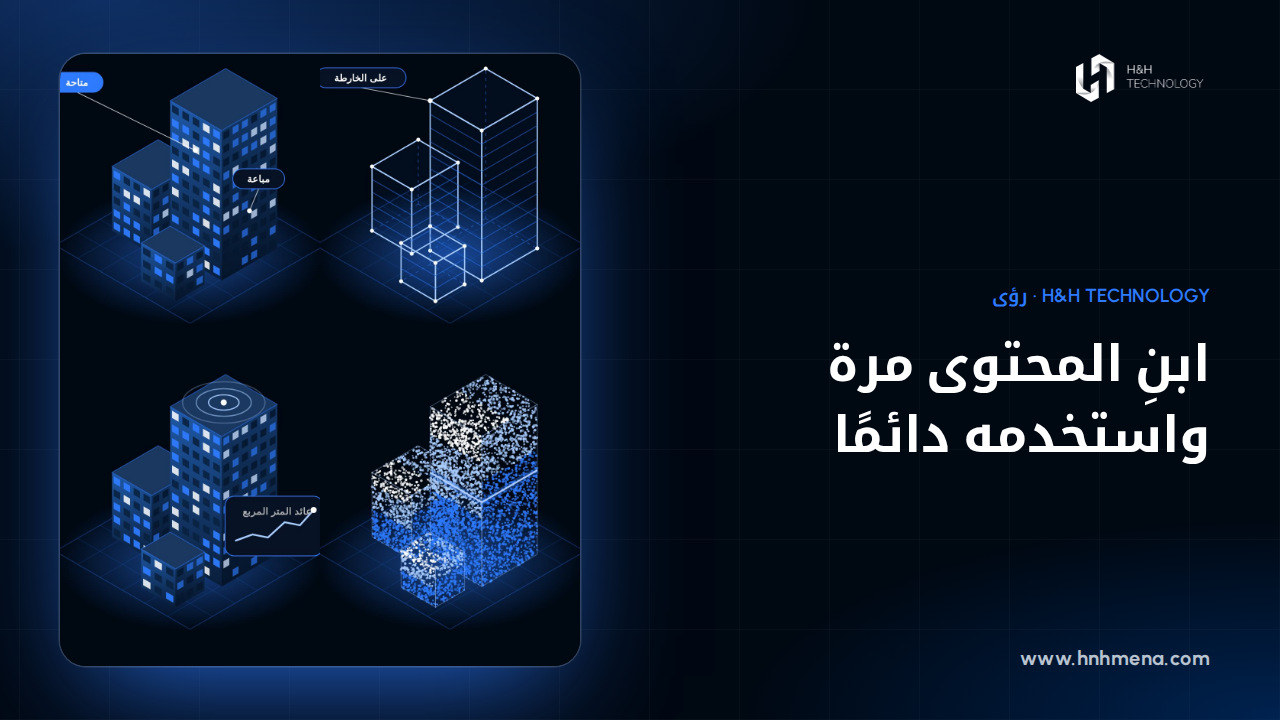
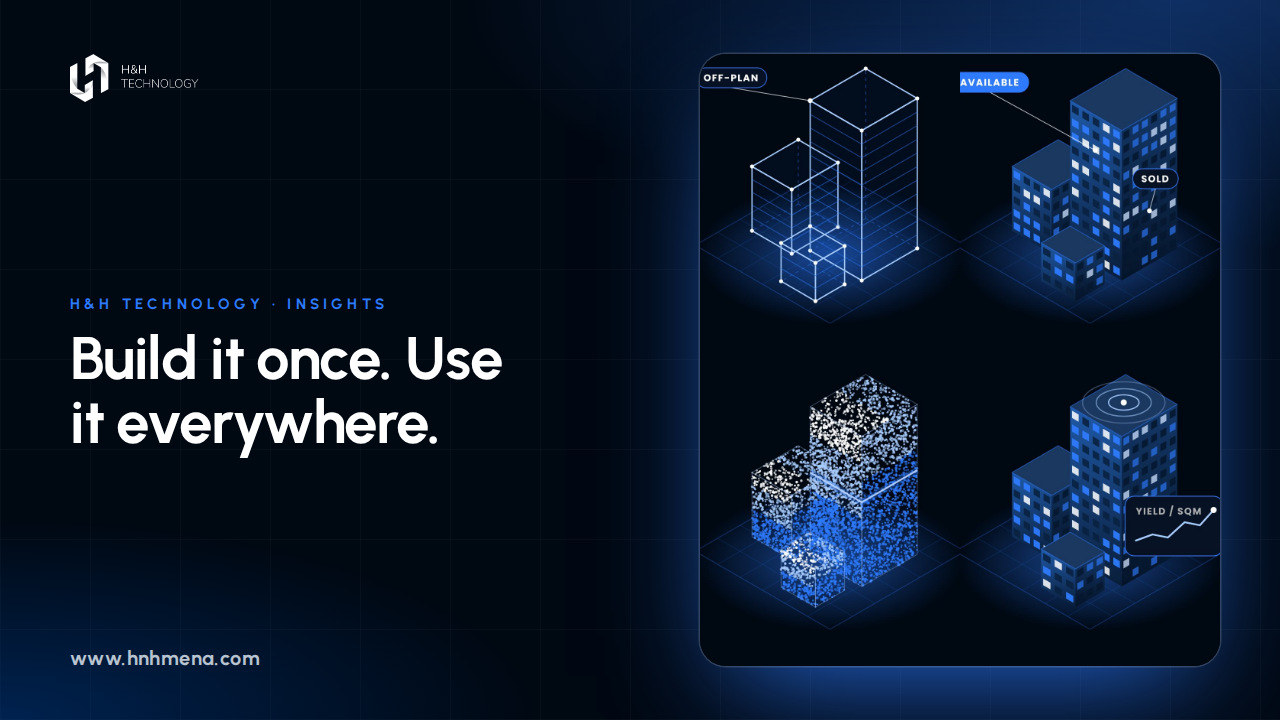
A render is an image made from design files. It shows a space that may not exist yet. It is the right tool before construction, and its interactive form, the 3D configurator, is how off-plan projects are sold.
A virtual tour is a walkable, photoreal view of a space that already exists. Its job is visual: to let someone experience the place without travelling to it.
A digital twin of a building is a dimensionally accurate 3D record of the completed space. It looks like a virtual tour, but it carries geometry you can rely on, so it serves the people who run the building as well as those who market it.
With a LiDAR capture you do not have to choose. The same scan produces the walkable 3D virtual tour and the dimensionally accurate twin.
IMARC Group puts the Saudi digital twin market at USD 349.7 million in 2025. It forecasts USD 21.39 billion by 2034, a compound annual growth rate of 57.95% between 2026 and 2034.
LiDAR measures distance with laser light. A LiDAR camera records both the geometry of a room and its appearance, which is why the result is accurate as well as photoreal.
H&H captures with the Matterport Pro3 and is a Matterport Certified Service Provider. For anyone searching for Matterport in Saudi Arabia, that certification is the first thing to check. A typical project runs through five steps.
H&H’s headline figure is simple: 2 days to scan, a decade of use from one capture.
H&H lists the ideal candidates as built properties, hotels, schools, hospitals and clinics, retail stores, and malls and offices.
For completed units, the tour is a sales tool. H&H cites industry figures for listings with a 3D tour: 31% faster sales, a 9% higher sale price, and 95% more enquiries on virtually toured listings.
After the sale, the twin becomes an as-built record. Facility teams use it for reference, and it supports fit-out planning. In H&H’s lifecycle for developers, this is the hand-over stage.
A guest booking from another city wants to see the actual room, lobby and pool, not a styled photograph. An events team can show a ballroom to a planner who has never visited.
Choosing a school is a family decision, and not everyone can attend an open day. A walkable tour lets parents see classrooms, labs and sports facilities in their own time.
Large hospitals are hard to navigate, and the people navigating them are often anxious or unwell. The same scan can power 3D indoor wayfinding with no beacons and no hardware. Patients scan a code and get turn-by-turn guidance to where they need to be.
The same approach works in other large venues.
A tour lets a prospective tenant assess a unit remotely before a viewing. For both landlord and tenant, the twin is a reference for fit-out planning.
A tour on a hidden page does very little. H&H’s tours embed in four places:
H&H also builds bilingual websites with live inventory and embedded 3D and 360°, so the tour sits next to the unit it describes.
H&H’s LiDAR scans and digital twins start from SAR 3,000. Whether you need a 3D virtual tour in Jeddah, Riyadh or elsewhere in the Kingdom, that is the published starting point.
These are general good-practice steps; your capture team will confirm the details.
If the space is built, scan it. If it is not built yet, model it.
LiDAR needs a completed space. For off-plan and under-construction projects, H&H uses Ultrascape, its real-time 3D configurator. Many developers need both: the configurator to sell, and the twin to hand over and operate. In operation, the same buildings can carry AINA smart mirrors in lifts and lobbies.




FAQ
What is the difference between a digital twin and a virtual tour?
A virtual tour is a walkable, photoreal view of an existing space, made for people to look around. A digital twin is a dimensionally accurate 3D record of that space, useful for as-built reference and fit-out planning. A LiDAR capture produces both from one scan, so marketing and facility teams share the same asset.
How long does a LiDAR scan take?
H&H’s figure is 2 days to scan, with a decade of use from one capture. The time on site depends on how well the space is prepared, which is why staging, lighting, access and privacy should be settled before the team arrives.
How much does a Matterport scan cost in Saudi Arabia?
H&H Technology’s LiDAR scans start from SAR 3,000. H&H is a Matterport Certified Service Provider and captures with the Matterport Pro3. The output includes a photoreal, walkable 3D virtual tour and a dimensionally accurate digital twin, with clickable hotspots for amenities, features and key information.
Does hospital 3D wayfinding need beacons or other hardware?
No. The indoor wayfinding that H&H builds on its LiDAR scans uses no beacons and no hardware. Patients and visitors scan a code and receive turn-by-turn guidance through the building. The same approach works in other large venues, and there is nothing for the engineering team to install on the walls.
Related reading
Talk to the team
To find out what a scan of your building would involve, speak to Ibrahim Siddiqui, Sales Associate for LiDAR and digital twins at H&H Technology. Message him on WhatsApp at https://wa.me/966540329956, or use the contact section on hnhmena.com. Tell him the type of property and roughly how many floors.
Sources